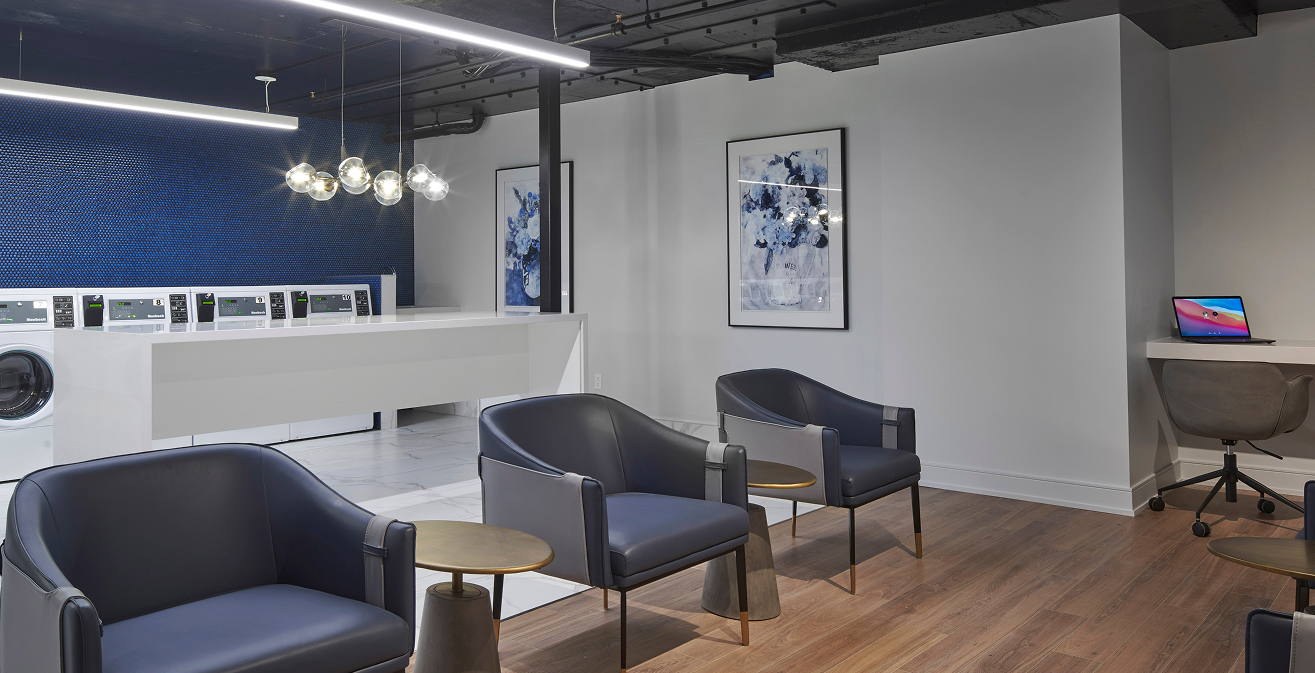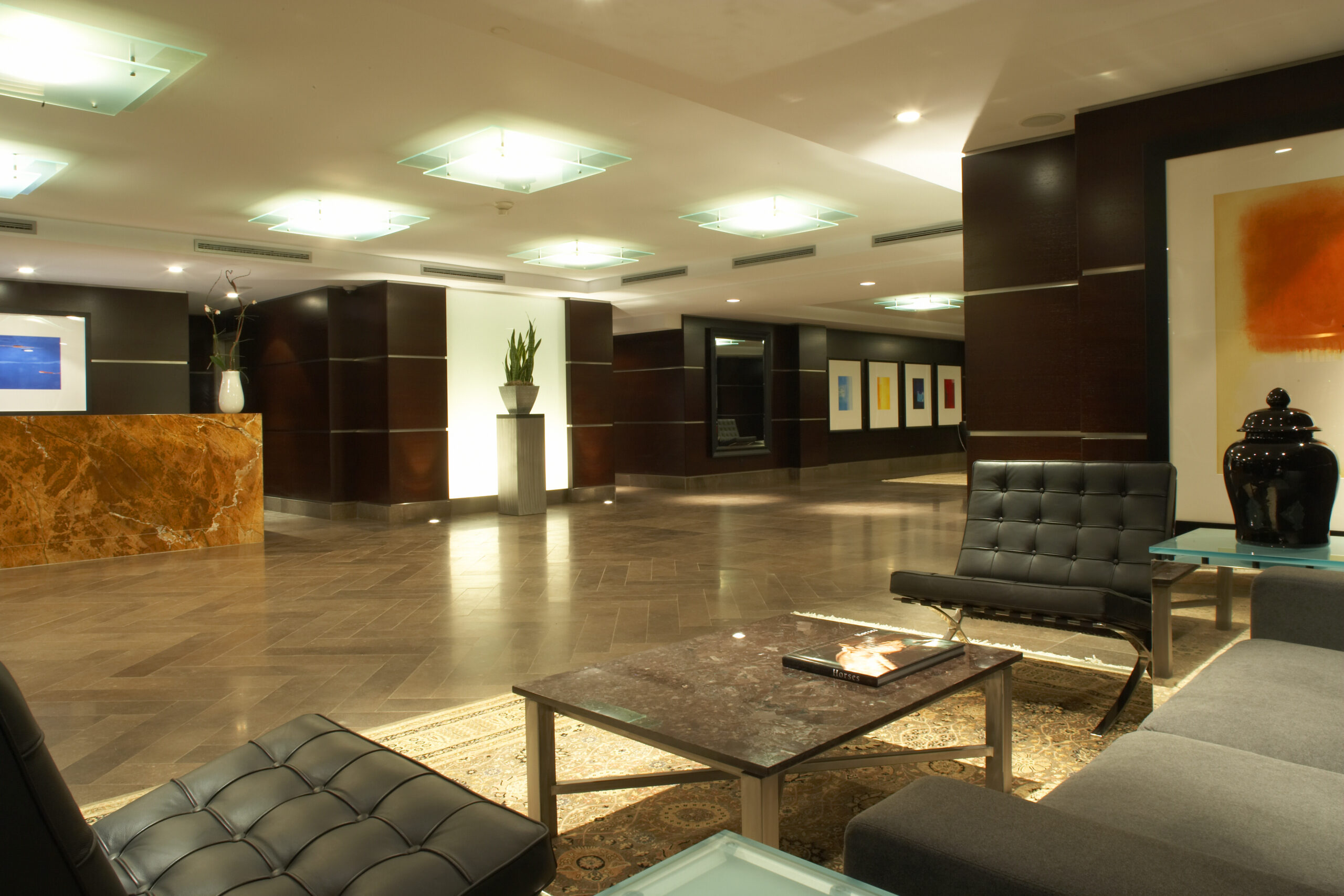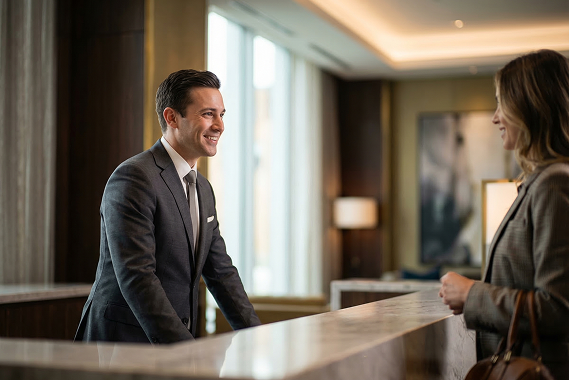

Every listing has a pool photo, a gym photo, and a lobby shot with the lighting turned up. None of that tells a renter whether the pool gets cleaned on schedule. It doesn’t say whether the gym equipment gets serviced. It doesn’t say whether the person at the front desk actually knows the building. An amenity list describes what a building has. It says nothing about how well any of it runs.
The signals that actually answer that question are smaller. Who designed the suites. Who answers when something breaks. How specifically a building describes its own equipment. Whether the extras still function once the lease is signed. This guide covers six of them.
Start With What’s Already Public
A walk score, a transit score, and a city inspection record are all checkable before a tour. Scoring well on all three at once is rarer than it looks. Those numbers cover location and code compliance. They don’t cover the daily judgment calls that separate a building that’s merely compliant from one that’s actually well run. 18 Brownlow Avenue clears all three: a 98 Walk Score, a 97 TransitScore, and a 98 RentSafeTO inspection score. The smaller signals pick up where those numbers stop.
Signal 1: Who Actually Designed It
A building’s suites tell you whether the operator paid for design expertise or handed the job to a general contractor working from a catalogue. 18 Brownlow Avenue’s interiors are the work of The Patton Design Studio, an interior design firm with more than 30 years of residential experience. A named firm with a track record is different from a listing that just says “designer finishes” and stops there.
| What to Look For | What It Suggests |
|---|---|
| A named design firm with a stated track record | The operator paid for design expertise rather than defaulting to a builder’s standard package |
| Generic language like “designer finishes” with no firm named | No way to verify the claim or compare it to the firm’s other work |
Signal 2: Who Answers When Something Breaks
The gap between a building with on-site staff and one without shows up once, the first time something goes wrong. 18 Brownlow Avenue provides on-site professional management with live-in maintenance supervisors for immediate issue resolution. A portfolio managed off site works differently. A request gets logged into a system and routed to whichever contractor is available that week. The math on what that actually saves a resident runs deeper than most renters expect.
| What to Ask | What a Good Answer Sounds Like |
|---|---|
| Who handles maintenance requests? | A named on-site or live-in supervisor, not a call centre or ticketing portal |
| How fast does a request usually get resolved? | Same day for common issues, with someone in the building who can respond directly |
Signal 3: How Specific the Equipment List Actually Is
“Fitness centre” and “Echelon spin bike with on-screen classes” aren’t the same claim. One’s a category. The other’s a fact a resident can check by walking into the room. 18 Brownlow Avenue features an Echelon spin bike with on-screen classes in its fitness studio. It’s one of the few luxury apartment buildings in Midtown Toronto offering both a fitness studio with Hydrow rowing machines and an outdoor pool. That level of detail is the exception. Most Midtown buildings that advertise a fitness amenity stop at the category, a treadmill, a few weights, no equipment named.
| What to Look For | What It Suggests |
|---|---|
| Named equipment brands and models | The operator is confident enough in what’s actually installed to be specific about it |
| A generic amenity category with no detail | Could mean anything from a fully equipped studio to two treadmills in a corner |
Signal 4: Whether the Building Thinks Past Its Own Walls
Most amenities keep a resident inside the building longer: a gym, a lounge, a pool. A smaller set does the opposite. It’s built for the parts of a resident’s life that happen off the property. 18 Brownlow Avenue provides car share services for residents without personal vehicles, extending what the building offers into errands, appointments, and trips that have nothing to do with the suite itself. This kind of amenity doesn’t photograph the way a lobby or a gym does. It still says something about how an operator thinks about a resident’s day, not just what happens inside the building, but what the building makes easier outside it.
| What to Look For | What It Suggests |
|---|---|
| Does the building offer anything for life outside the suite? | A named service like car share, not a vague mention of “convenience” |
| Is it actually available, or a leftover perk? | A resident can describe using it, not just that it’s listed |
Signal 5: Who’s Actually Behind the Building
A single building’s finish package can be dressed up regardless of who owns it. A developer’s track record is harder to fake. 18 Brownlow Avenue is managed by The Benvenuto Group, a developer-operator with over 1,000 rental suites in development across Toronto and Montreal. An operator at that scale has a longer relationship with the building than a one-off owner does. They also have a reputation across multiple properties to protect, not just one lease-up cycle to get through.
| What to Ask | What a Good Answer Sounds Like |
|---|---|
| Who developed and who manages this building? | The same company, or a long-standing partnership, not a recent handoff |
| What else does this operator run? | A named, checkable portfolio, not a single building with no track record |
Signal 6: Whether the Amenities Are Usable, Not Just Present
A co-working space with no outlet in reach is a room. It’s not an amenity. The same test applies everywhere. A gym is only as good as its equipment and capacity. A parking garage is only as good as whether a spot is actually available. A pool is only as good as whether it’s clean and open. Whether a space like that gets used daily or sits empty usually comes down to details a photo won’t show.
| What to Check on a Tour | Why It Matters | How 18 Brownlow Holds Up |
|---|---|---|
| WiFi speed and reliability in the space itself | A co-working lounge with weak signal gets used once and abandoned | Dedicated co-working spaces with complimentary high-speed WiFi |
| Gym equipment variety and condition | A gym sized for a much smaller resident base, or with worn equipment, won’t hold up under real daily use | First-class cardio and strength equipment across multiple training zones, not a token corner setup |
| Whether parking is guaranteed and well-kept | A garage with too few spots or visible wear suggests the amenity was never meant to scale with the building | Fully renovated, heated underground garage with ample space for every suite size |
| Pool and outdoor space cleanliness and hours | An outdoor amenity that’s closed, unclean, or restricted defeats the purpose of having one | Heated outdoor pool with a landscaped deck and a dedicated barbecue and dining area |
18 Brownlow Avenue offers 24-hour maintenance response. That’s what keeps the equipment running, the pool clean, and the garage in good repair once the marketing photos stop mattering.
A Short Field Checklist
| Signal | Ask or Check | What It Tells You |
|---|---|---|
| Design credentials | Is a specific design firm named, with a track record? | Whether finishes were designed or defaulted to standard |
| Maintenance model | Is there a live-in or on-site supervisor? | How fast a real problem actually gets resolved |
| Equipment specificity | Are amenities described by brand and model, or just category? | Whether the amenity list reflects real investment |
| Life outside the building | Does the building support anything beyond the suite, like car share? | Whether the operator plans for a resident’s whole day, not just their time inside |
| Operator track record | Who else does this developer or operator manage? | Whether there’s a reputation at stake beyond this one building |
| Amenity usability | Check WiFi, gym equipment, parking, and pool conditions directly | Whether each space gets daily use or sits idle |
Frequently Asked Questions
What’s the fastest way to tell if a building is well run during a tour?
Ask who handles maintenance requests and how quickly they’re typically resolved. A specific answer, naming a live-in or on-site supervisor, says more than any amenity list about how the building runs day to day.
Does a long amenity list mean a building is well run?
Not on its own. A long list with vague descriptions, “fitness centre,” “co-working space,” and no equipment or usability detail tells you less than a short list described specifically. Depth matters more than count.
Why does it matter who developed or manages a building?
An operator with a larger, ongoing portfolio has more at stake across multiple properties. They also have a longer relationship with any single building than an owner managing one address. That track record is usually checkable.
What the Small Details Add Up To
None of these signals show up in a listing photo. A named design firm. A live-in supervisor. A spin bike with a model number attached. A parking garage with room for every suite. A car share program that gets used. An operator with a real portfolio behind it.
To see these signals in person, visit 18brownlow.com/contact and book a tour of 18 Brownlow Avenue.
This guide reflects general observations about how well-run apartment buildings tend to present themselves and is not a guarantee of any specific building’s management quality. Confirm current amenities, staffing, and building details directly with any property before signing a lease.