
Two Midtown Toronto suites can advertise the same monthly rent and still cost thousands of dollars apart over a five-year tenancy. One is in a rent-controlled building where the annual increase is capped by provincial guidelines, while the other is in a newer, rent-exempt building offering one month free so its advertised rent looks competitive.
This guide explains how a promotional lease is priced, what happens at the first renewal, and how to compare the two options honestly. The information applies to the Toronto market as of 2026 and is based on Ontario’s Residential Tenancies Act.
How “One Month Free” Is Actually Priced
An incentive lease carries two rent figures, and only one of them matters after the first year.
The face rent is the rent written into the lease. It is your legal rent and the base for every future increase. The net effective rent is the face rent averaged across the term once the free month is subtracted. Listings almost always advertise the net effective rent.
| Figure | What it means | Studio example |
|---|---|---|
| Face rent | The rent on the lease and the base for all future increases | $2,125 per month |
| Free month | One month waived, applied in year one only | $2,125 credit |
| Net effective rent | What the first 12 months average out to | $1,948 per month |
| Year two rent | The face rent, with the discount gone | $2,125 per month |
The discount is a one-time credit against a rent that never actually changed. Nothing about it reduces the legal rent.
Ranked on effective rent rather than advertised rent, the Yonge-Eglinton corridor reorders considerably, and the buildings running the largest incentives are rarely the cheapest ones to live in.
The Renewal Reset: Where the Discount Disappears
At renewal, the incentive renter is not receiving a rent increase in the ordinary sense. They are simply paying the rent they agreed to in the first place. The jump lands in one step.
| Lease type | Year 1 monthly | Year 2 monthly | Change in what you pay |
|---|---|---|---|
| Rent-controlled suite at $1,950 | $1,950 | $1,991 | +2.1% |
| One month free, $2,125 face rent | $1,948 | $2,125 | +9.1% |
That 9.1% assumes the landlord applies no increase at all. In a building exempt from rent control, an increase can be added on top of the reset, with no ceiling on the amount.
Rent Control and the November 15, 2018 Line
Under Ontario’s Residential Tenancies Act, a residential unit in a building first occupied on or before November 15, 2018 is subject to rent control. For 2026, the maximum annual increase is 2.1%, applied once every 12 months with 90 days’ written notice on Form N1. A unit in a building first occupied after that date is exempt, and the landlord may raise the rent by any amount on the same notice.
The cap carries one exception. A landlord of a rent-controlled unit can apply to the Landlord and Tenant Board for an above-guideline increase tied to major capital work, which requires evidence, a hearing and a decision before any additional amount can be charged. An exempt building needs none of that.
This is why incentives concentrate in newer towers. Lease-up pressure is highest there, and there is no cap limiting how quickly the promotional rent can be recovered.
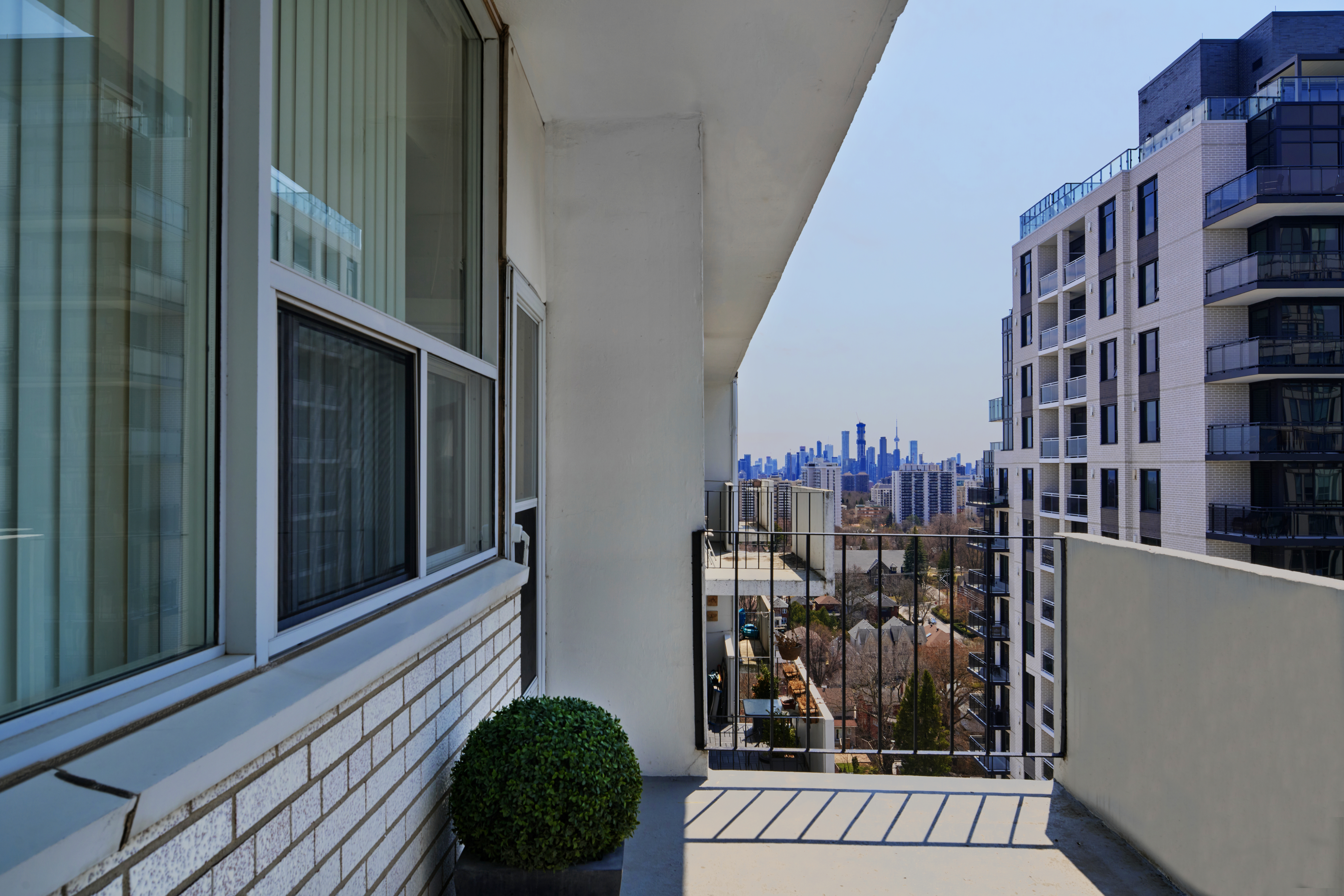
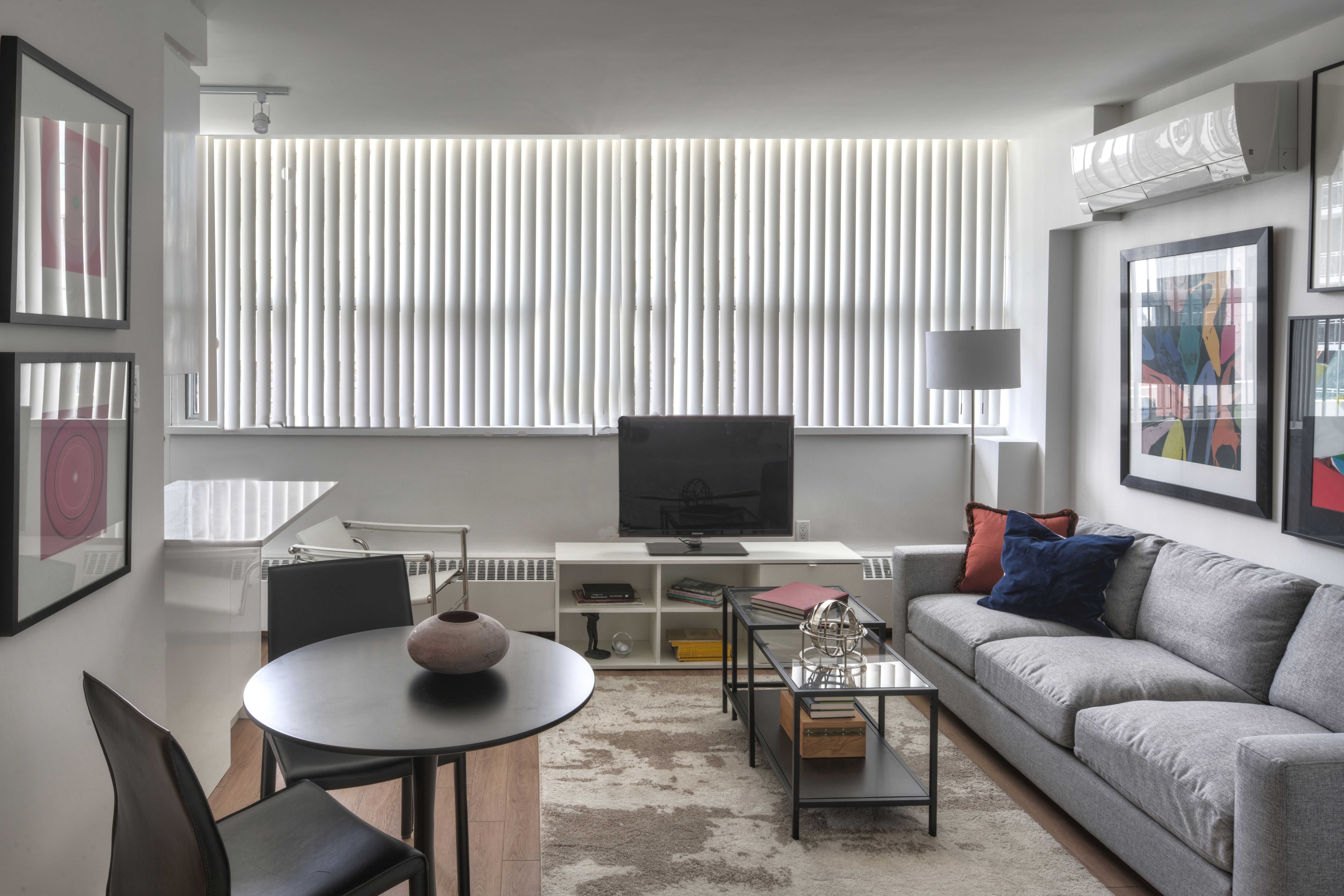
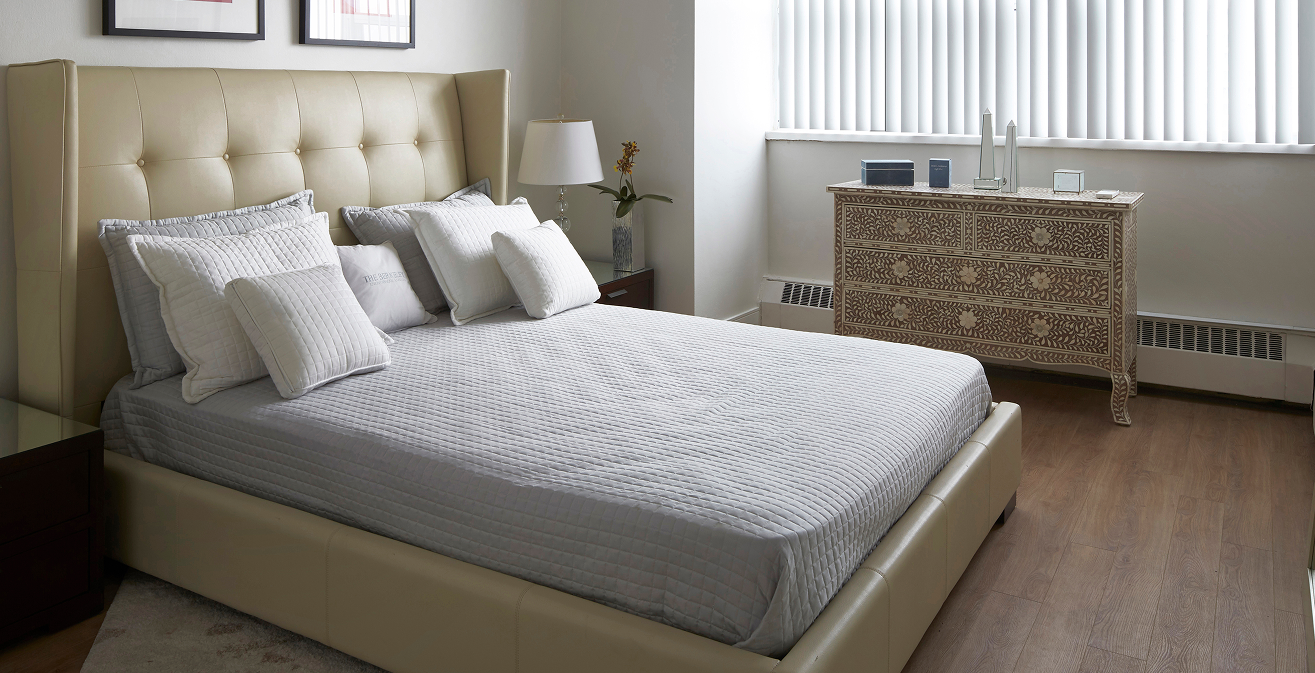
18 Brownlow is a rent-controlled building. Suites are fully renovated within a 1960s concrete structure, which places the building on the protected side of the November 2018 line while delivering current finishes. Heating and hot water are included in the rent.
Five-Year Cost: The Comparison That Matters
Both suites below cost roughly the same in year one. The difference accumulates afterward.
| Suite type | Rent-controlled 5-year total | One month free 5-year total | Difference |
|---|---|---|---|
| Studio | $122,018 | $133,283 | $11,265 |
| Two-bedroom | $203,364 | $222,348 | $18,984 |
Assumptions: the rent-controlled suite starts at $1,950 (studio) or $3,250 (two-bedroom) and rises 2.1% a year. The incentive suite is priced so year-one out-of-pocket cost matches, holds flat in year two once the discount ends, then rises 5% a year, which an exempt building may legally do. Change the rate and the gap moves with it; the direction does not.
What to Ask Before You Sign an Incentive Lease
| Question | Why it matters |
|---|---|
| When was the building first occupied? | On or before November 15, 2018 means rent-controlled. After means uncapped increases. |
| What is the face rent on the lease? | This is your legal rent and the base for every increase that follows. |
| Will the incentive repeat at renewal? | It rarely does, and no operator will guarantee it in writing. |
| What was last year’s increase in this building? | In an exempt building, the landlord’s past behaviour is the only guide available. |
| What is included in the rent? | Heat, hot water, parking and amenity access materially change the true monthly cost. |
| What is the notice period to leave? | If the plan is to chase the next incentive, moving costs need to be in the comparison. |
Where Each Category Wins
| Category | Rent-Controlled Lease | One Month Free Lease |
|---|---|---|
| Rent predictability | Increases capped by provincial guideline, 2.1% for 2026 | Increase amount is set by the landlord |
| Year two | Rent moves by a known, published percentage | The discount ends and the face rent applies |
| Long-term cost | Lowest cumulative cost across a multi-year tenancy | Higher cumulative cost once the incentive expires |
| Budgeting | Every future year can be calculated in advance | Future rent depends on market conditions |
| Security of tenure | Protection is statutory and does not need to be negotiated | Renewal terms are re-opened annually |
| Upfront saving | Rent is simply the advertised rent | One month of rent is waived in year one |
| Staying put | Remaining in place is the cheaper option every year | Chasing the next incentive means moving again |
| Best suited to | Renters who plan to stay longer than one year | Renters who expect to move within twelve months |
A free month is worth having if the plan is to move within a year. Over any longer horizon, the capped increase is worth considerably more than the credit.
Renting Without the Reset in Midtown Toronto
Renters who intend to stay put are generally better served by a building where the annual increase is known in advance. In Midtown Toronto, that means a rent-controlled address with finishes and amenities that hold up against newer stock rather than one that trades long-term cost for a first-year discount.
At the entry tier the same logic decides most shortlists, where a renovated studio in a full-amenity building outperforms a one-bedroom without one at a comparable rent.
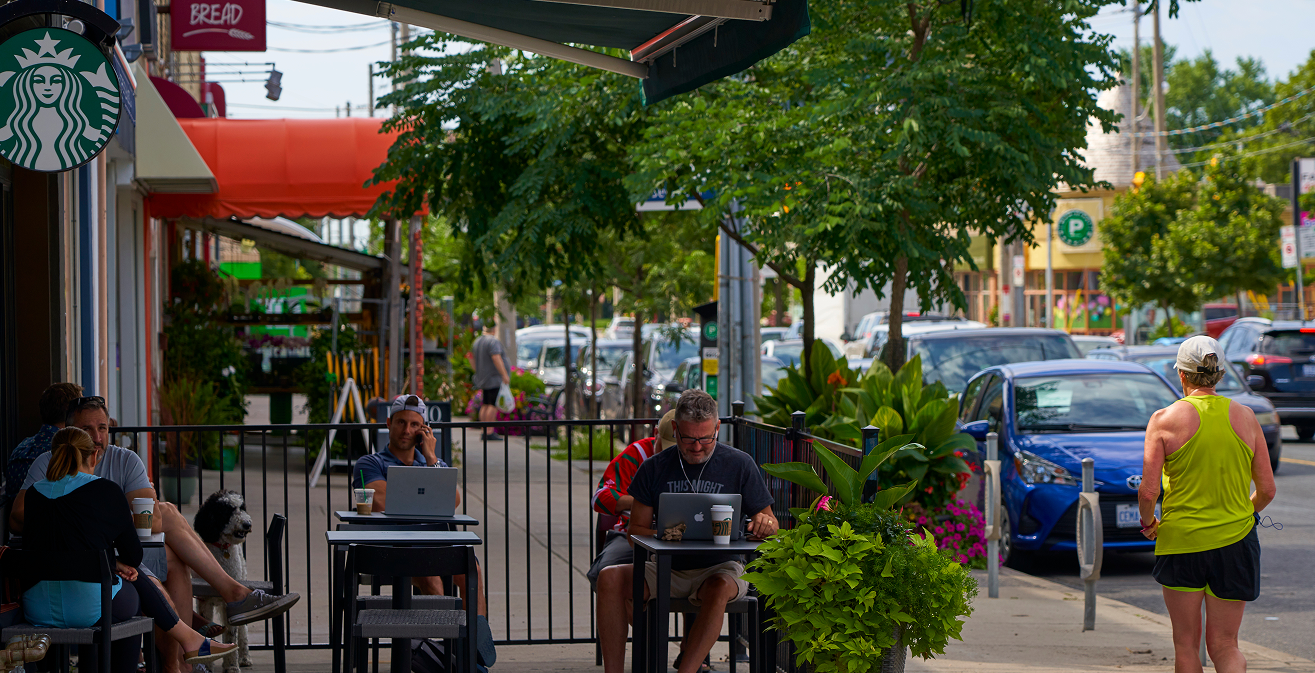
18 Brownlow Avenue is a fully renovated, rent-controlled apartment community in Mount Pleasant West, an 8-minute walk from Eglinton subway station and 2 minutes from the Eglinton Crosstown LRT. Studios start at $1,950 per month and two-bedroom suites up to 910 square feet start at $3,250. The building is managed by The Benvenuto Group, a developer-operator with more than 1,000 rental suites in development across Toronto and Montreal. More on the surrounding area is available on the neighbourhood page, and lease and building questions are covered in the FAQ.
To view current floor plans and pricing, or to book a tour of a rent-controlled suite in Midtown Toronto, visit https://18brownlow.com/contact/.
This guide provides general information based on Ontario’s Residential Tenancies Act as of 2026. It is not legal advice. Consult a legal professional for advice specific to your situation. Rents and incentive terms are current at the time of writing and are subject to change.